



Wellness in Gyms: Why Operators Must Lead the Next Evolution of Human Performance
Learn how commercial gyms are leveraging wellness and recovery innovations to enhance member health, improve experience, and drive business growth.
No disponible en español

Wellness in gyms is becoming a core expectation.
Exercisers today are not just looking to get stronger or fitter. They want help managing stress, improving recovery, and feeling better in their daily lives. As a result, wellness trends are reshaping how facilities are evaluated, chosen, and experienced.
For gym owners and operators, this shift presents a clear opportunity. Facilities that integrate wellness effectively will stand out, retain exercisers longer, and create new revenue streams.
Wellness From the Operator’s Point of View
Wellness is best understood as an active pursuit of balance across physical, mental, emotional, and environmental health¹.
From an operator’s point of view, this means exercisers now select facilities by more than equipment, amenities, or classes. They are looking for environments that help them:
Reduce stress
Recover faster
Move with less pain
Improve energy and focus
Sustain performance over time
This shift matters because stress is now one of the strongest predictors of poor health outcomes. Research shows psychological stress is closely linked to heart disease, immune dysfunction, and long-term health risk²˒³.
In short, exercise alone is no longer enough.
Why Exercisers Are Moving Toward Wellness
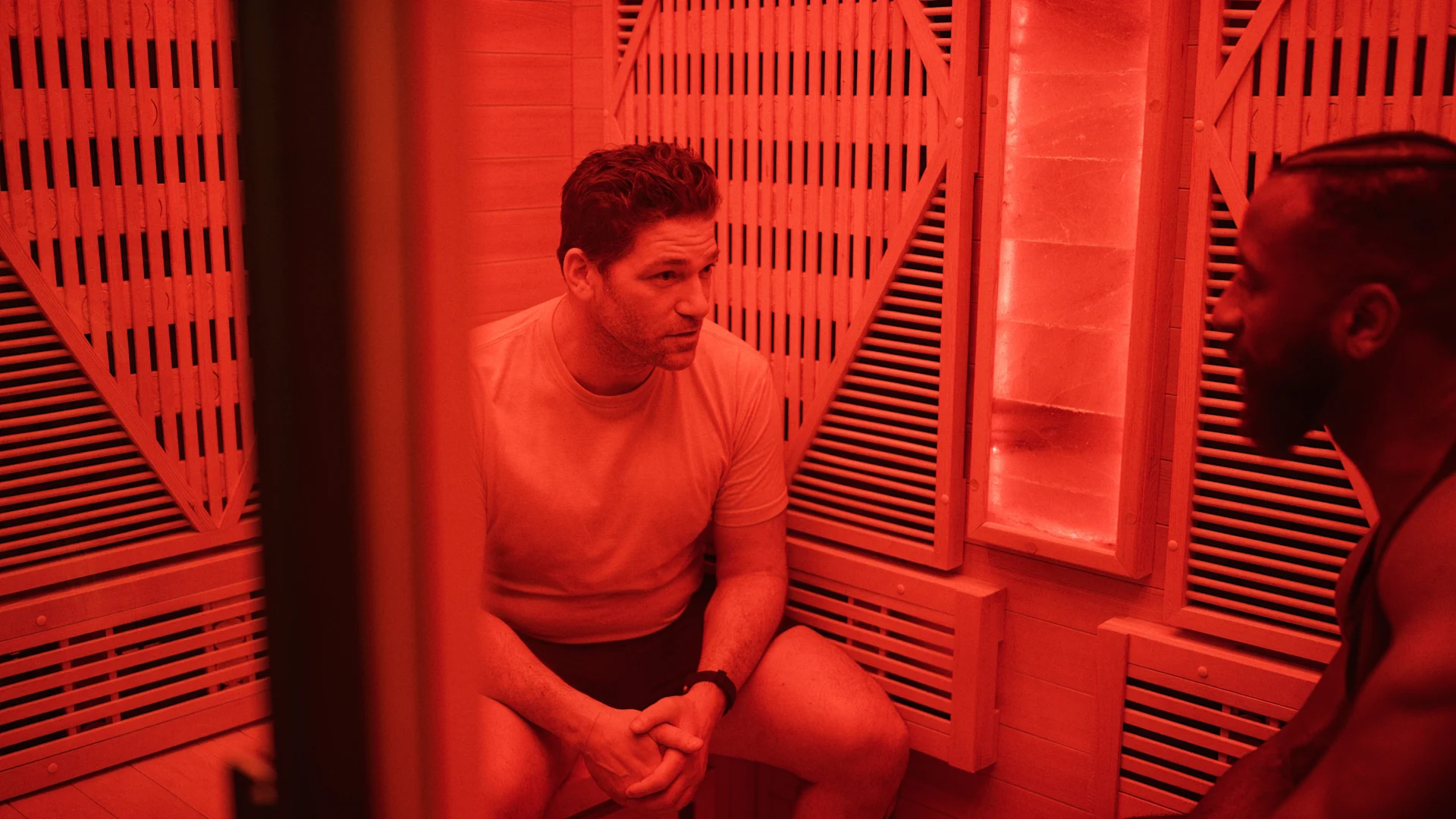
Today’s exercisers carry high daily stress loads from work, finances, family responsibilities, and lack of sleep. Studies show that cumulative life stress significantly increases illness risk and slows physical recovery⁴. This helps explain why wellness trends such as breathwork, sauna, red light therapy, and mobility work are growing so quickly.
Exercisers are seeking facilities that help them:
Calm their nervous systems
Recover more effectively
Feel restored rather than depleted
Maintain long-term health
Facilities that support these needs become more than workout spaces. They become health partners.
The Science Behind Recovery, Stress Management, and Performance
Recovery for exercisers today is not about doing less. It is about helping the body reset so training actually works. Here is what the science tells us in simple terms:
1. Tissue Work Improves Movement
Myofascial and soft tissue work improves joint range of motion and reduces stiffness without negatively impacting strength or performance⁵. This helps exercisers move better and train with less discomfort.
2. Breathing Calms the Nervous System
Slow, controlled breathing lowers stress hormones and improves focus and emotional control⁶. Even a few minutes can shift the body into recovery mode.
3. Red Light Therapy Supports Cellular Energy
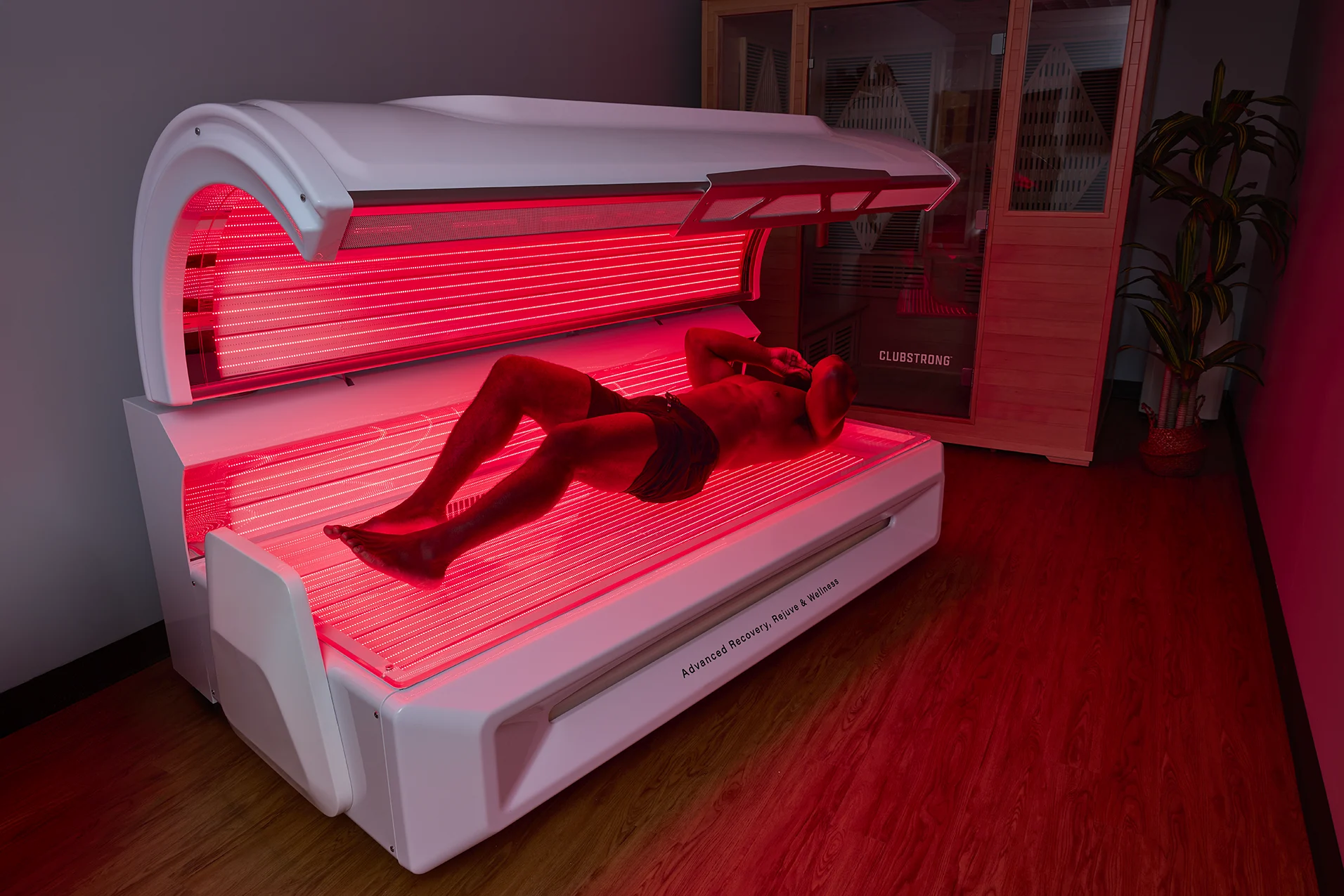
Red and near-infrared light improve how cells produce energy, reduce inflammation, and support tissue repair⁷. This is why red light therapy is increasingly used for recovery in gyms.
4. Hydrotherapy Reduces Soreness
Cold plunges, contrast therapy, and cryotherapy reduce muscle soreness and help exercisers feel ready to train again sooner⁸.
5. Short Movement Breaks Improve Health
Short bursts of activity, often called movement snacks, improve mood, blood sugar control, and overall adherence because they are easy to maintain⁹˒¹⁰˒¹¹. Together, these tools support better recovery, better movement, and better results.
Why Operators Need to Pay Attention
Wellness trends are not slowing down, and ignoring them carries risk.
1. Expectations Have Changed
Exercisers now compare gyms to recovery studios, wellness centers, and corporate health programs. Facilities that do not evolve may feel outdated.
2. Wellness Improves Retention
Emotional well-being is one of the strongest predictors of long-term exercise adherence¹². When exercisers feel better because of your facility, they stay longer.
3. Recovery Spaces Drive Revenue
Wellness zones can be monetized through:
Premium memberships
Add-on recovery sessions
Small-group wellness classes
Corporate partnerships
These services are high-value and high-retention.
Estimate the return of wellness solutions in your facility.
4. Wellness Strengthens Brand Identity
Facilities that prioritize wellness in gyms position themselves as leaders in health, not just fitness.
Practical Starting Points for Operators Who Want to Integrate Wellness
You do not need a full wellness center to start. Small, strategic steps work.
1. Add Wellness Inside Existing Sessions
Coaches can integrate:
Breathing drills
Tissue preparation
Mobility work
Short recovery blocks
These require little investment and immediately elevate the service experience.
2. Create a Small Recovery Zone
Start with one or two modalities:
Red light therapy
Sauna
Cold plunge or cryotherapy
PEMF (pulsed electromagnetic field therapy)
Even compact spaces can significantly increase perceived value.
3. Offer Wellness-Based Programming
Examples include:
Mobility and recovery classes
Breathwork sessions
Guided decompression
Movement snack challenges
4. Educate Staff
Coaches trained in stress, recovery, and basic wellness science deliver better outcomes and higher satisfaction.
5. Communicate the Value Clearly
Use signage, short videos, and simple language to explain why wellness tools matter. Understanding drives adoption.
The Future of Fitness Is Wellness-Driven
Facilities that help exercisers manage stress, recover effectively, and move better will outperform those focused on exercise alone. The result is stronger retention, diversified revenue, and a more loyal exerciser community.
Wellness is not a luxury. It is a strategic advantage.
Explore wellness solutions for commercial facilities.*
* Product availability varies by region
Sources
Global Wellness Institute. Defining Wellness. 2021.
Cohen S et al. Psychological Stress and Disease. JAMA. 2007.
Mayo Clinic Staff. Stress and Heart Disease. 2024.
Holmes TH, Rahe RH. Stress and Illness. Journal of Psychosomatic Research. 1967.
Cheatham SW et al. Myofascial Release Effects. International Journal of Sports Physical Therapy. 2015.
Zaccaro A et al. Breathing and Stress Regulation. Frontiers in Human Neuroscience. 2018.
Hamblin MR. Photobiomodulation Mechanisms. Journal of Biophotonics. 2018.
Chen R et al. Hydrotherapy and Cryotherapy Review. Sports Medicine. 2024.
Krouwel O et al. Movement Breaks and Mood. Psychology of Sport and Exercise. 2023.
Huang CJ, Yen HR. Short Activity and Metabolic Health. Nutrients. 2023.
Brown JC et al. Short Exercise and Body Composition. Journal of Applied Physiology. 2024.
Segar ML et al. Exercise Adherence and Well-Being. International Journal of Behavioral Nutrition and Physical Activity. 2011.